
The 30 Songs That Still Make People Cry: Timeless Tracks That Hit Different Every Time
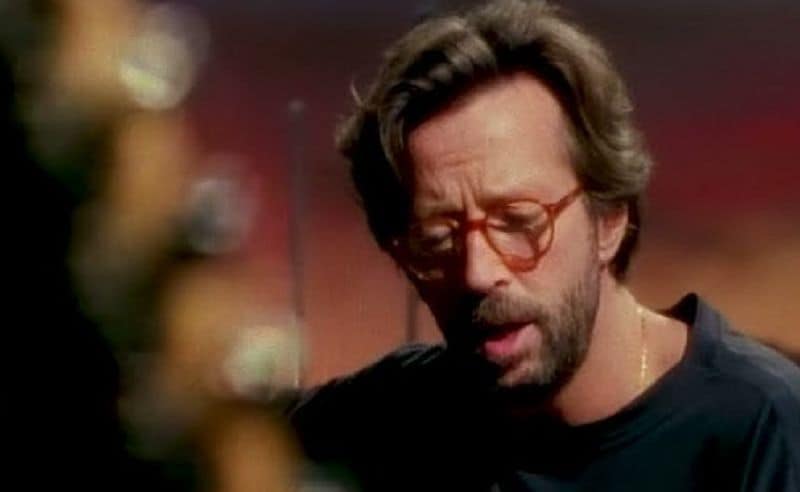
Some songs have a way of catching you off guard, even after dozens of listens. You might know every lyric and still feel your throat tighten when a certain chord plays. This reaction happens because music can tap directly into memory and emotion, bypassing logic entirely.
The songs on this list span different decades, genres, and styles, but they share a common thread. Each one has earned a reputation for moving listeners to tears, whether through lyrics, melody, or the story behind it. You may recognize some as personal favorites, while others might surprise you with how widely they resonate. If you enjoy this list, check out our picks for the 30 saddest songs of all time and the 30 greatest love songs ever written.
1. Tears in Heaven – Eric Clapton
You know this song even if you can’t place it right away. Eric Clapton wrote it after his four-year-old son, Conor, died in a fall from a New York apartment window in 1991. The lyrics ask a direct question: would his son still recognize him if they met again in heaven.
There’s no anger in the song, only grief handled with restraint. You hear it in the acoustic guitar work and Clapton’s quiet, unadorned vocal delivery.
It appeared on the Rush soundtrack before Clapton performed it for MTV Unplugged in 1992. That version won three Grammy Awards and became the one most people remember.
You don’t need context to feel the weight of it, though knowing the story adds another layer. Decades later, it still ranks among the songs most associated with loss and mourning at funerals and beyond.
2. Hallelujah – Jeff Buckley
You already know the song before it starts. That opening guitar line arrives quiet and bare, and Jeff Buckley’s voice follows it without rushing.
The original was written by Leonard Cohen for his 1984 album Various Positions. Buckley recorded his version a decade later for Grace, released in 1994, stripping the arrangement down to voice and guitar.
You hear restraint in every line. He doesn’t oversing it, and that control is what makes the emotion land.
Buckley died in 1997, drowning in the Mississippi River at age 30. His death changed how you hear the song now, adding weight that wasn’t there when it was first released.
You’re not just hearing a cover. You’re hearing an interpretation that many consider definitive, standing alongside Cohen’s original as the version people return to when they need this song.
3. The Sound of Silence – Simon & Garfunkel
You hear “Hello, darkness, my old friend” and you know exactly where this song is going. Paul Simon wrote it in 1964, and the imagery still lands decades later.
The lyrics work because they resist easy interpretation. You can read them as commentary on isolation, on communication breakdown, on grief. That ambiguity is part of why the song stays with you.
The original acoustic version didn’t chart. Columbia Records later added electric instrumentation without the duo’s input, and that reworked version became the hit you recognize today.
You feel the tension in the arrangement itself. Art Garfunkel’s voice sits high and clear over Simon’s lower harmony, and the contrast creates a kind of ache.
When you listen closely, the song never resolves its central image. The darkness stays. That refusal to comfort you is exactly what makes it hit so hard.
4. Everybody Hurts – R.E.M.
You know this song from its opening lines alone. Released in 1993 from Automatic for the People, it became one of R.E.M.’s most recognized tracks.
Drummer Bill Berry wrote the music with a specific purpose: reaching people who felt isolated or were considering self-harm. Michael Stipe’s vocals deliver that message directly, without metaphor or distance.
You feel the simplicity of the lyrics working on you. There’s no poetic obscurity here, just plain reassurance that pain is universal and temporary.
The song has topped UK polls asking which tracks make men cry the most, according to PRS for Music research. That result speaks to how effectively the song bypasses irony and reaches something more direct.
You don’t need context or backstory to understand it. That directness is exactly why it still resonates decades later.
5. Nothing Compares 2 U – Sinéad O’Connor
Prince wrote this song in 1985 for his side project, The Family. Sinéad O’Connor’s 1990 cover turned it into something else entirely.
You hear it in the opening lines. Her voice is stripped bare, carrying grief that feels personal rather than performed.
The music video amplifies this. A single close-up shot on her face, tears visibly falling as she sings, gives you nowhere to look away.
You don’t need context about her life to feel the weight of it. The pain in her delivery speaks for itself.
What makes this version endure isn’t vocal complexity or production tricks. It’s restraint. She lets silence and stillness do as much work as the lyrics.
Decades later, you still find people citing this as the song that breaks them, proof that raw honesty in a performance outlasts trends.
6. Someone Like You – Adele
You know this song the moment the piano starts. Adele wrote and produced it with Dan Wilson for her 2011 album “21,” and it became one of her signature tracks.
The lyrics focus on accepting a lost relationship rather than fighting it. That resignation is part of why the song hits you so hard.
There’s no big production here. Just Adele’s voice and a piano, which puts all the weight on the emotion in her delivery.
You don’t need to have gone through the exact same breakup to feel it. The song speaks to the general experience of watching someone move on while you’re still processing what happened.
Years after its release, it still gets used as a reference point for heartbreak songs, showing you how well it captured a specific kind of sadness.
7. When I Was Your Man – Bruno Mars
You hear regret in every line of this song. Bruno Mars strips away the usual production tricks, sitting at a piano and admitting he failed someone he loved.
There’s no anger here, only honesty. He didn’t buy her flowers. He didn’t hold her hand enough. He let someone else become the man he should have been.
You recognize this feeling if you’ve ever realized too late what you lost. The song doesn’t try to fix anything or offer a happy ending. It just sits with the loss.
That restraint is what makes it hit so hard. Mars could have added more instruments or a bigger chorus, but he lets the sparse arrangement carry the weight instead.
You’re left with a simple, uncomfortable truth: sometimes you don’t appreciate what you have until it’s already gone.
8. Fix You – Coldplay
You know this song from its opening lines alone. Coldplay wrote “Fix You” for their 2005 album X&Y, and released it as a single that September. It reached number 4 on the UK Singles Chart.
Chris Martin wrote the song for his then-partner Gwyneth Paltrow after the death of her father. That context shapes how you hear the lyrics about failure, loss, and trying to help someone through pain.
The structure builds slowly. You get a quiet piano intro, then Martin’s voice, then the song expands into a full band arrangement with a swelling guitar line near the end.
That build is why the song affects you. The lyrics acknowledge that some things can’t be fixed, but the music pushes forward anyway, offering comfort without pretending to solve anything.
You’ve likely heard it at funerals, weddings, and other emotional moments, which only reinforces its association with grief and consolation.
9. My Heart Will Go On – Celine Dion
You already know this song before it even starts. That opening pan flute melody signals what’s coming, and your reaction happens almost automatically.
James Horner composed the music, and Will Jennings wrote the lyrics for the 1997 film Titanic. Celine Dion recorded it as the film’s theme, and it became one of the best-selling singles of all time.
The song works because it mirrors the film’s central loss. You hear a promise of enduring love layered over a story that ends in separation and death.
Dion’s vocal performance builds gradually, moving from restraint to a powerful, sustained delivery. That structure mimics grief itself, starting quiet and swelling into something you can’t fully contain.
You don’t need to have seen Titanic recently for this song to affect you. The association is embedded deeply enough that the melody alone can bring back that sense of loss.
10. All by Myself – Céline Dion
You know this song from its opening piano chords alone. Céline Dion released her version in 1996, and it became one of her signature ballads.
The lyrics describe loneliness in plain terms. You don’t need a complicated backstory to feel the weight of the words “all by myself, don’t wanna be all by myself anymore.”
Dion’s vocal delivery is what sets this version apart. She starts restrained, then builds into a powerful, sustained climax that showcases her range.
That contrast between quiet verses and forceful choruses mirrors the emotional shift many listeners experience with loneliness itself. You hear vulnerability, then defiance, then vulnerability again.
The song works because it doesn’t rely on metaphor or abstraction. It states its subject directly, and Dion’s voice carries the rest.
11. I Will Always Love You – Whitney Houston
You already know this song before it even starts. That opening breath, then the a cappella verse, tells you something significant is coming.
Houston recorded this for The Bodyguard in 1992, turning Dolly Parton’s country ballad into a soul-baring vocal performance. The arrangement builds slowly, holding back until the key change hits and the song opens into its full power.
That moment, where her voice climbs and stretches to hit those famous high notes, works because of the restraint before it. You feel the buildup, then the release.
The song sat at number one on the Billboard Hot 100 for 14 weeks, a record at the time. Its emotional weight only deepened after Houston’s death in 2012.
Listening now, you hear both the technical mastery and the loss. The song still functions as she intended: a farewell delivered at full volume.
12. Adele – To Be Loved
“To Be Loved” appears on Adele’s 2021 album 30. She co-wrote the track with Tobias Jesso Jr., who also produced it alongside Shawn Everett.
You hear a vocal performance stripped of studio tricks here. The arrangement stays minimal, letting the piano and Adele’s voice carry the entire emotional weight.
The lyrics address vulnerability directly. Adele sings about the risks of loving fully and the fear that comes with exposing yourself to another person.
You notice how the song builds gradually, moving from restraint to full vocal power by its end. That structure mirrors the emotional arc of the lyrics themselves.
Critics have pointed to this track as one of the most emotionally demanding songs on 30. When you listen closely, you understand why it resonates with anyone who has struggled with fear of intimacy or heartbreak.
13. Say Something – A Great Big World and Christina Aguilera
You hear it in the opening piano notes: a quiet admission of surrender. “Say Something” started as a duet within A Great Big World, but it became something bigger once Christina Aguilera added her voice to the 2013 re-release.
The lyrics describe the moment before a relationship ends, when words no longer help. You recognize that silence if you’ve ever waited for someone to fight for you and they didn’t.
Aguilera’s vocal restraint is part of what makes it work. She doesn’t oversing the moment; she lets the ache sit there, plain and unresolved.
The song reached the top ten in the US and UK and topped charts in Australia and Canada. It also became a fixture at weddings, funerals, and reality show montages, which tells you how flexible its grief really is.
14. The Scientist – Coldplay
You hear the piano before anything else, a simple repeating figure that carries the whole song. Chris Martin wrote it as an apology, and that intention comes through clearly in every line. The lyrics don’t dress up regret with clever metaphors. They ask direct questions: nobody said it was easy, tell me you love me.
You’ll notice the structure moves backward, both in the famous reversed music video and in the emotional logic of the lyrics themselves. There’s a wish to undo mistakes, to return to a simpler starting point. That desire to rewind time is something you can recognize even without knowing the specifics of the story.
Released in 2002 on A Rush of Blood to the Head, the song became one of Coldplay’s most enduring tracks. Its appeal comes from restraint rather than spectacle. You’re left with a plain, direct expression of loss.
15. Skinny Love – Bon Iver
You hear the strain in Justin Vernon’s voice before you register a single lyric. That cracked falsetto carries more weight than most polished vocals ever could.
Recorded in an isolated Wisconsin cabin, “Skinny Love” formed the centerpiece of Bon Iver’s 2007 debut, For Emma, Forever Ago. You can sense that isolation in every note; the production feels stripped down, almost unfinished, which is exactly why it works.
The lyrics avoid neat resolution. You get fragments of blame, exhaustion, and longing instead of a clear narrative, and that ambiguity lets you project your own heartbreak onto it.
The repeated plea to “just last the year” hits differently depending on what you’ve lived through. If you’ve watched a relationship run out of momentum, you’ll recognize that specific fatigue.
The song doesn’t build toward catharsis. It just sits in the discomfort, which is why you often can’t listen to it without feeling something shift.
16. Mad World – Gary Jules
You know this version from “Donnie Darko,” where Gary Jules and Michael Andrews stripped Tears for Fears’ 1982 synth-pop track down to piano and a single voice. The original was upbeat by comparison. This one isn’t.
The arrangement leaves you nowhere to hide. There’s no wall of sound to soften the lyrics, so lines about worn-out faces and going nowhere land directly.
Jules recorded it as a favor for the film’s soundtrack, not expecting much attention. Instead, it topped the UK charts in 2003, two years after the movie’s release.
You feel the flatness in his delivery is deliberate. He doesn’t oversell the sadness. He just states it, verse after verse, and lets the quiet do the work that a bigger production never could.
17. Hurt – Johnny Cash
Trent Reznor wrote “Hurt” for Nine Inch Nails in 1994. Johnny Cash recorded his version in 2002, and it changes the song completely.
You hear an old man looking back on his life, not an angry young man venting pain. Cash was 70 when he recorded it, in poor health, and close to death. He died the following year.
The music video makes the song harder to watch. It was filmed in his House of Cash museum, using old film clips and photos from his career with June Carter Cash. She died just months after the video came out, adding another layer of loss to it.
You don’t need to know Cash’s biography to feel the weight in his voice. His delivery is slow and deliberate, and every line sounds earned rather than performed. That’s why the song still affects listeners, decades after its release.
18. Landslide – Fleetwood Mac
Stevie Nicks wrote “Landslide” in 1975 after climbing a mountain in Aspen, Colorado. You hear her weighing a major decision about her career and relationship with Lindsey Buckingham, unsure whether to keep pushing forward.
The song appears on Fleetwood Mac’s self-titled 1975 album, with Christine McVie on keyboards. Nicks’ voice carries the weight of someone questioning everything familiar to her.
You feel the uncertainty in lines about time and change, about watching yourself grow older while nothing feels settled. That vulnerability is why the song still resonates decades later.
The 1997 live version, recorded for The Dance, reached No. 51 on the Billboard Hot 100 and No. 10 on Adult Contemporary. You can hear the same rawness in that performance, even with two decades between recordings.
What makes you emotional here isn’t drama. It’s the plain honesty of someone admitting she’s scared.
19. Black – Pearl Jam
You hear “Black” and you feel the weight of loss before Eddie Vedder even finishes the first verse. Released on “Ten” in 1991, the song deals with heartbreak in a way that avoids typical structure. There’s no chorus in the traditional sense, just a slow build of grief and disbelief.
You notice how the lyrics never mention the word “black” outright, yet the color becomes a stand-in for emptiness and loss. Vedder’s vocal delivery pushes from restrained to raw by the end, and that shift catches you off guard every time.
Pearl Jam refused to release it as a single, despite label pressure. That decision has only added to its reputation as one of the band’s most personal tracks. You don’t need context to feel its impact; the emotion carries on its own.
20. Nutshell – Alice in Chains
You hear it in the opening notes: something is wrong, and the song isn’t going to hide that from you. “Nutshell” appeared on Alice in Chains’ 1994 EP Jar of Flies, a stripped-back acoustic release that followed the heavier Dirt.
Layne Staley’s lyrics are direct. Lines about being alone, empty, and disconnected from the world don’t rely on metaphor to land—they state the feeling plainly, and that’s what makes them hit you so hard.
You may know the song best from its MTV Unplugged performance in 1996, later included on the box set Music Bank. That version is often considered the song’s definitive form.
Staley died in 2002. Knowing that changes how you hear these lyrics now, whether or not that was ever the intent.
21. The Winner Takes It All – ABBA
You hear it in the opening piano notes before Agnetha Fältskog even starts singing. Björn Ulvaeus wrote the lyrics after his divorce from Agnetha, and you can feel that history in every line.
The song doesn’t shout its pain. It states it plainly, comparing love to a game with a clear loser, and that restraint is what gets you.
Fältskog’s vocal performance carries real strain, not manufactured drama. You can hear her voice crack in places, and that vulnerability makes the heartbreak believable.
The lyrics avoid bitterness. You get someone trying to stay composed while explaining exactly why they lost, which feels more honest than anger would.
By the final chorus, when the melody swells but the words stay resigned, you understand why this track has outlasted most breakup songs from its era.
22. Nothing Else Matters – Metallica
You might not expect a thrash metal band to write a song that makes you cry, but Metallica managed it with this one. James Hetfield wrote it during a long tour, missing someone back home. That distance and longing come through clearly in every line.
The famous guitar intro sets a vulnerable tone before the lyrics even start. You hear Hetfield stripping away the tough exterior he’d built for years, admitting he trusts his own feelings even when others doubt them.
The addition of orchestral strings later gave the song even more emotional depth. When you listen to the full arrangement, you notice how the quiet verses build into something bigger without losing that personal, confessional quality. It’s the sound of a hardened performer showing you something honest and unguarded.
23. Everybody’s Got to Learn Sometime – Beck
You know this song from a single scene: Joel and Clementine, fading memories, snow falling in an empty house. Beck’s cover of The Korgis’ 1980 track scores that moment in Eternal Sunshine of the Spotless Mind, and it fits so well that you may not realize it’s a cover at all.
His version strips the original down further. The arrangement is sparse, almost hesitant, matching the film’s theme of memory dissolving in real time.
You’ll find this recording easy to overlook, since it never had a major standalone release until Beck’s 2026 covers compilation, Everybody’s Gotta Learn Sometime, placed it alongside other rarities. Before that, it existed mostly as a soundtrack cut.
What makes it affecting is restraint. Beck doesn’t oversell the sadness. He lets the lyrics, about acceptance and loss, do the work.
24. The Living Years – Mike + The Mechanics
Mike Rutherford wrote this song with B.A. Robertson, and Mike + The Mechanics released it in December 1988. You’ll notice it centers on a son’s regret over words left unsaid to his father before his death.
The lyrics don’t rely on abstract imagery. Instead, they lay out a direct emotional conflict: pride and stubbornness kept two people from understanding each other while there was still time.
You may find that the song’s structure builds toward its most affecting moment—the acknowledgment that reconciliation came too late. That timing is what gives the song its weight.
Rutherford drew on his own experience losing his father, and that personal grounding comes through in the specificity of the lyrics rather than vague sentiment.
The song reached number one in the US, Canada, Ireland, and Australia, and it remains one of the most direct musical statements about father-son relationships and missed opportunities for connection.
25. Cats in the Cradle – Harry Chapin
You hear a father promise his son they’ll get together soon, but life keeps getting in the way. Harry Chapin released this song in 1974, and it became his only number one hit on the Billboard Hot 100.
The story follows a boy who grows up watching his father work, then grows into a man too busy for his own father. By the final verse, the roles have reversed, and you realize the son has become exactly what he once resented.
You don’t need children to feel this one. Anyone who has missed time with a parent, or postponed a visit for “someday,” recognizes the pattern here. Chapin wrote it as a folk rock song, but the emotional weight comes from how ordinary the excuses sound.
26. Leader of the Band – Dan Fogelberg
Dan Fogelberg wrote “Leader of the Band” as a tribute to his father, Lawrence Fogelberg, a musician and bandleader. You’ll find the song on his 1981 album “The Innocent Age.”
What makes this track hit hard is its honesty. Fogelberg doesn’t romanticize his relationship with his father. He acknowledges distance, admiration, and the weight of unspoken gratitude, all at once.
You hear a son trying to settle accounts with a parent while there’s still time. Lawrence Fogelberg was alive when the song came out, and he lived to see it become one of his son’s most recognized works before passing away in 1982.
The lyrics focus on legacy and inherited traits, things you might recognize from your own family. That specificity, paired with restrained instrumentation, gives the song its lasting emotional pull.
27. Vincent – Don McLean
You know this one from its opening line, “Starry, starry night.” Don McLean wrote it in 1971 after reading about Vincent van Gogh’s life, and the song became a tribute to the painter’s talent and his struggles.
The lyrics draw on van Gogh’s paintings, weaving them into a portrait of a man the world misunderstood. McLean frames van Gogh’s isolation with gentleness rather than pity, and that choice gives the song its lasting pull.
You feel the weight of the final verses, where McLean addresses van Gogh’s suicide directly. The line “this world was never meant for one as beautiful as you” lands hard, especially once you know the painter’s story.
Released in 1972, “Vincent” reached number one in the UK. It remains one of McLean’s most recognized songs, second only to “American Pie.”
28. Fire and Rain – James Taylor
You hear it and immediately feel the weight behind it. James Taylor wrote the song about three separate struggles: the suicide of his friend Suzanne Schnerr, his heroin addiction, and his recovery after psychiatric treatment.
Released in 1970 on Sweet Baby James, the song reached number three on the Billboard Hot 100. It later earned a place in the Grammy Hall of Fame.
You don’t need to know the backstory to feel its pull. The plain language and steady melody carry real grief without ever reaching for drama.
Each verse moves through a different kind of loss, yet the song never explains itself completely. That restraint is part of what makes it affect you so directly, decades after it was written.
29. Operator (That’s Not the Way It Feels) – Jim Croce
You hear a man asking an operator to connect a call, then stopping himself before it goes through. He doesn’t want to talk to her. He wants to talk to the man she’s with now, the one who took his place.
Croce wrote this in 1972, and it landed on Billboard’s Hot 100 at number 17 that December. It’s not a song about anger. It’s about the moment you realize you’re already over something, but the words won’t stop coming out anyway.
You get pulled in by the specifics: the phone booth, the coins, the operator who’s just doing her job while this stranger unravels in front of her. That’s why it still gets you. Croce doesn’t tell you how to feel. He just gives you the scene, and you fill in the rest.
30. If You Leave Me Now – Chicago
You hear Peter Cetera’s voice before you register the words, and that’s part of what gets you. He wrote and sang this track for Chicago’s 1976 album Chicago X, and it became the band’s first number-one hit on the Billboard Hot 100.
The song strips away the horn-driven sound Chicago built its reputation on. Instead, you get a quiet, direct plea from someone facing the end of a relationship.
There’s no metaphor to hide behind here. The lyrics ask a simple question, and Cetera’s delivery makes that question feel urgent.
You don’t need context about who he’s singing to. The vulnerability in his voice does the work, and that plainness is why the song still lands decades later.
It remains one of the clearest examples of a ballad that trusts silence and restraint over spectacle.
Why Certain Songs Trigger Tears
Music produces tears through two main channels: the memories a song brings back and the way its sound is built. Both factors work together to create a physical and emotional response.
Memory, Association, And Personal Milestones
Your brain stores songs alongside the events happening when you first heard them. This is called autobiographical memory, and it links music to specific people, places, or periods in your life.
When you hear that song again, your brain reactivates the original memory along with its emotional weight. A wedding song, a track from a breakup, or a tune from a funeral carries this dual load.
This explains why the same song affects listeners differently. Your personal history with a track matters more than the song’s popularity or critical reception.
Common memory triggers include:
- Life transitions – graduations, moves, first jobs
- Relationships – first dates, breakups, weddings
- Loss – songs played at funerals or during illness
- Childhood – tracks tied to parents or early memories
How Lyrics, Melody, And Vocal Delivery Shape Emotion
Certain musical structures produce tears regardless of personal history. Appoggiaturas, or notes that clash briefly before resolving, create tension your ear wants settled. This build-and-release pattern appears often in ballads by artists like Adele.
Unexpected chord changes work the same way. Your brain predicts where a melody will go, and when the music shifts direction, it produces a small jolt of surprise that can trigger tears.
Vocal delivery adds another layer. A singer’s breath control, pitch breaks, or restrained delivery can signal vulnerability, and your brain responds to that vulnerability with empathy.
Lyrics that name specific emotions—grief, longing, regret—give shape to feelings you may not have articulated yourself. When lyrics, melody, and vocal tone align around the same emotional message, the combined effect is stronger than any single element alone.
The Value Of Emotional Music
Sad songs serve a purpose beyond entertainment. They give you a structured way to process feelings you might otherwise avoid, and they connect you to other listeners who share similar experiences.
Catharsis And Emotional Release
When you listen to a sad song, you allow yourself to feel emotions you might suppress during a normal day. This process is called catharsis, and it works through a release rather than an escape.
Crying while listening to music can lower stress hormones and help you calm down after tension builds up. You don’t need a personal connection to the lyrics for this to work.
A melody, a chord change, or a vocal tone can trigger the same response. The release you feel afterward often leaves you calmer than before you pressed play.
This is why you might return to certain songs during difficult periods. You’re not dwelling on sadness; you’re working through it.
Why Shared Sadness Can Feel Comforting
Listening to a sad song can make you feel understood, even when no one else is in the room. The artist’s words often mirror your own experience, which reduces the sense of isolation that sadness can bring.
This effect is sometimes called the “paradox of pleasurable sadness.” You gain comfort not despite the sadness in the music, but because of how clearly it reflects what you’re feeling.
Knowing that millions of other listeners have cried to the same song can also reinforce a sense of connection. Your grief, heartbreak, or nostalgia becomes part of a shared human experience rather than something you carry alone.


