
Why Horror Games Wouldn’t Be Scary Without Their Soundtracks
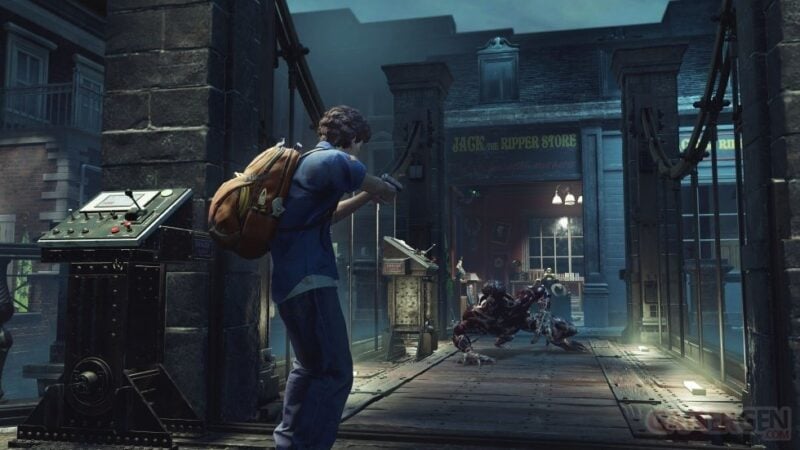
Fear comes in many forms, and there’s an argument to be had about what horror games lean on most in order to frighten players. While gory visuals and disorienting level design might have a strong claim to creating the atmosphere that leaves people screaming at their screens, the real frightener is the soundtrack, and that’s not up for debate. Here’s why.
Building Tension
Horror relies on the juxtaposition of long moments of downtime with short stabs of intense action, and yet this alone isn’t enough to make jump scares pay off in the way designers intend. The soundscape of a game has to do a lot of heavy lifting here, establishing anticipation when things are less frantic, perhaps even changing pace as danger draws near to increase tension to a fever pitch.
Take the Resident Evil franchise as an example. It uses music relatively sparingly, with ambient sounds defining much of the playtime. However, when boss fights take place or set pieces play out, music is a huge part of what makes these scenes so spine-tingling and thrilling.
Similarly, horror-themed games in other genres can build tension with audio in a less directly scary way. So, for the Big Bass Halloween slot you’ve got music that’s at the fun end of the spooky spectrum, to go with the more lighthearted nature of the game, while still increasing the tension as spins are played and wins are paid.
Making a Mechanical Difference
Apart from being scary in their own right, game soundtracks and audio effects can also be a central mechanic of horror games. With something like Alien: Isolation, players need to pay close attention to the things they hear to a greater degree than what they can see, because by the time they see the enemy that’s stalking them, it’s too late
Because horror games can force players to rely on their hearing in this way, it strips out other senses that we take for granted and puts us in a position that’s tactically vulnerable, and thus innately terrifying.
Playing with Emotions
Music of any kind is effective because it engages with us on an emotional level. That can be used to make us feel joy and sadness, but in horror games it is usually done to stimulate feelings of discomfort and fear.
Soundtracks in this genre are defined by their use of dissonant, often discordant tracks, as well as the use of low-frequency tones that we feel as much as hear. At the upper end of the range, the screech of violins kicks our fight or flight instincts into action, and rolling in other effects, including the screams of human voices or the howls of animals, puts players on edge.
All of this is done without alerting the player to how they’re being manipulated. And the easiest way for anyone to understand how horror games lose their edge without the soundtrack in place is to turn the volume off completely the next time you play. It’ll make a game that once creeped you out feel like a walk in the park.


