
The 30 Most Overplayed Songs of All Time: Radio Hits That Wore Out Their Welcome
Certain songs achieve such widespread popularity that they become impossible to escape. Radio stations, streaming platforms, retail stores, and public events play these tracks with such frequency that even their biggest fans may eventually feel fatigued.
The phenomenon of song overplay represents a unique intersection of commercial success and listener exhaustion. Understanding which songs have reached peak saturation helps explain how repetition shapes our relationship with music.
From chart-topping pop hits of recent years to classic rock anthems that have dominated airwaves for decades, overplayed songs span multiple genres and generations. These tracks often share common characteristics that made them initially irresistible but eventually unavoidable.
The reasons behind song overplay involve complex factors including radio programming strategies, streaming algorithms, and cultural moments that cement certain tracks into public consciousness. This examination explores how commercial success, viral popularity, and timeless appeal can transform beloved songs into unavoidable fixtures of modern listening experiences.
1. Blurred Lines – Robin Thicke ft. T.I. & Pharrell
You couldn’t escape this song in 2013. “Blurred Lines” dominated the Hot 100 for three consecutive months and received constant airplay across radio stations nationwide.
Pharrell Williams produced the track, which appeared on Robin Thicke’s sixth studio album of the same name. The song’s infectious beat and catchy hook made it unavoidable in stores, restaurants, and parties throughout the summer.
The repetitive nature of the lyrics and melody meant you heard the same phrases countless times. Radio programmers played it multiple times per hour during its peak popularity.
Beyond its musical ubiquity, the song sparked ongoing debates about its lyrical content. This controversy only increased media coverage and discussion, making it even more inescapable. Whether you loved or hated it, you heard “Blurred Lines” everywhere during 2013.
2. Baby – Justin Bieber ft. Ludacris
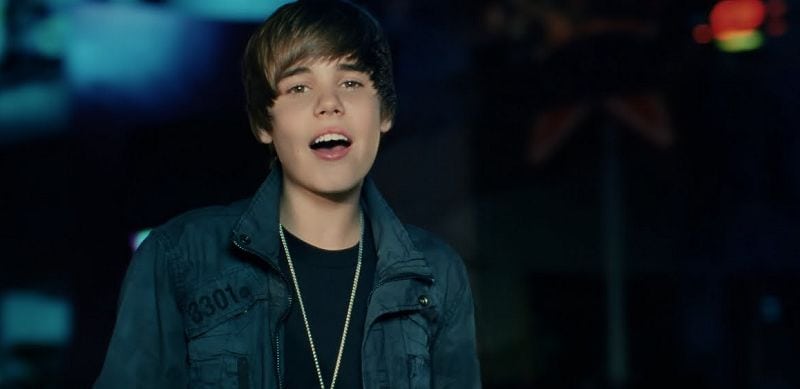
You couldn’t escape this song in 2010. “Baby” dominated radio stations, shopping malls, and YouTube with its infectious chorus of “baby, baby, baby, oh.” The track launched Bieber into global superstardom and became one of the most-watched music videos on the platform.
The problem was its simplicity. The repetitive lyrics and teen-pop production made it easy to memorize, but constant airplay turned catchy into exhausting. You heard it everywhere, whether you wanted to or not.
Ludacris’s rap verse added a hip-hop element that broadened the song’s appeal. However, the combination of Bieber’s youthful vocals and the earworm chorus made it particularly grating for listeners who encountered it multiple times daily. The song received as much criticism as praise, landing on numerous “most annoying” lists despite its commercial success.
3. Happy – Pharrell Williams
Released in 2013 for the “Despicable Me 2” soundtrack, “Happy” quickly became inescapable. The song earned Pharrell Williams a Grammy Award for Best Pop Solo Performance and became the best-selling single of 2014.
Its relentlessly upbeat tone and repetitive lyrics made it a staple at shopping malls, radio stations, and public events everywhere you went. While the song initially charmed listeners with its cheerful message, the constant rotation wore down its appeal.
You’ve likely heard “Happy” countless times since its release over a decade ago. The track ranks as the eighth highest-selling single in UK history, but that commercial success came at a cost. What started as a genuinely joyful tune became something many listeners actively avoid, making it one of the most overplayed songs you’ll encounter on radio to this day.
4. Uptown Funk – Mark Ronson ft. Bruno Mars
Released in November 2014, “Uptown Funk” dominated airwaves for years after its debut. The collaboration between British producer Mark Ronson and Bruno Mars became inescapable across radio stations, retail stores, and sporting events.
The track’s infectious blend of funk, dance, and R&B elements made it a commercial powerhouse. It topped charts worldwide and became one of the defining songs of the 2010s. You couldn’t walk through a shopping mall or turn on the radio without hearing those familiar horns and Mars’ energetic vocals.
Its success meant relentless rotation on multiple radio formats simultaneously. The song appeared on Ronson’s album “Uptown Special” and later on deluxe versions of Mars’ “24K Magic.” This extended its presence across different promotional cycles, ensuring you heard it whether you wanted to or not.
5. Thinking Out Loud – Ed Sheeran
Released in 2014 from Ed Sheeran’s album “x,” “Thinking Out Loud” quickly became one of the most played songs on radio stations worldwide. The romantic ballad peaked at number one on charts and established itself as a wedding reception staple.
You’ve likely heard this song countless times whether you wanted to or not. Radio stations embraced it immediately, and its presence in retail stores, restaurants, and public spaces became nearly inescapable.
The song’s overexposure stems from its broad appeal and romantic themes that made it popular for special occasions. While many listeners still appreciate the track, others have grown tired of its constant rotation. Music data websites consistently list it among the most overplayed songs of the 2010s, with some fans admitting they’ve reached their limit with it.
6. Shape of You – Ed Sheeran
You couldn’t escape this track in 2017. “Shape of You” dominated radio stations worldwide, spending 12 weeks at number one and becoming the most streamed song of all time in the UK.
The song’s tropical-influenced pop sound played constantly in malls, gyms, and coffee shops. Its commercial success was undeniable, but the sheer volume of airplay left many listeners exhausted by its repetitive chorus and production.
Ed Sheeran himself has acknowledged that some of his hits, including this one, became overplayed. What started as a catchy dance-pop track quickly wore out its welcome through relentless rotation across every platform imaginable.
The song achieved massive streaming numbers and commercial success, but its ubiquity transformed it from a radio-friendly hit into background noise you heard everywhere you went.
7. Call Me Maybe – Carly Rae Jepsen
You couldn’t escape this infectious pop song in 2012. “Call Me Maybe” dominated radio stations, topped charts, and became a cultural phenomenon almost overnight.
The track originally appeared on Jepsen’s EP Curiosity before landing on her album Kiss. After Justin Bieber tweeted about it and celebrities created viral lip-sync videos, the song exploded into mainstream consciousness. It reached number one on the Mainstream Top 40 chart in the United States and topped Canadian charts.
The song’s catchy hook burrowed into your brain and refused to leave. Radio programmers played it relentlessly throughout the summer of 2012, making it nearly impossible to avoid whether you were shopping, driving, or watching television.
Despite its massive overplay, “Call Me Maybe” remains one of the defining pop songs of the 2010s. Its ubiquity turned it into both a beloved hit and an exhausting earworm.
8. Rolling in the Deep – Adele
“Rolling in the Deep” dominated radio stations when it was released in 2010, and its presence hasn’t diminished much since. The song’s powerful vocals and memorable chorus made it an instant hit, but that same appeal led to constant rotation across multiple stations.
You’ve likely heard this track in malls, restaurants, and public events more times than you can count. Radio programmers favored it heavily, often playing it multiple times per day during its peak popularity.
The song’s success was undeniable, topping charts worldwide and becoming one of Adele’s signature tracks. However, its ubiquity transformed what was initially a fresh, emotional ballad into background noise. Even years after its release, you’ll still encounter “Rolling in the Deep” with surprising frequency, cementing its status as one of the most overplayed songs in modern music history.
9. Someone Like You – Adele
When Adele released “Someone Like You” in 2011, it became an instant global phenomenon. The piano ballad dominated radio stations, shopping malls, and public spaces for years after its debut.
You couldn’t escape this heartbreak anthem even if you tried. Its raw emotional delivery and relatable lyrics about lost love made it a favorite for radio programmers everywhere. The song’s stripped-down production and Adele’s powerful vocals resonated with millions of listeners worldwide.
The track appeared on her album 21 and quickly became one of her signature songs alongside “Rolling in the Deep” and “Hello.” While it remains a timeless classic that showcases Adele’s talent, its constant presence on airwaves turned it into one of the most frequently played songs of the 2010s.
10. Gangnam Style – PSY
When “Gangnam Style” exploded onto the global music scene in 2012, you couldn’t escape it. The infectious K-pop hit introduced much of the western world to Korean pop music, complete with its signature horse-riding dance moves that spread across social media like wildfire.
The song peaked at number two on the Billboard Hot 100, marking the highest chart position for a South Korean artist at that time. You heard it at parties, sporting events, and on every radio station for months.
While PSY released many other tracks throughout his career, “Gangnam Style” became the one song that dominated airwaves worldwide. The music video went viral in August 2012, cementing its place in pop culture history. Its ubiquity eventually led to listener fatigue, as you encountered the track in nearly every public space during its peak popularity.
11. All About That Bass – Meghan Trainor
You couldn’t escape this song when it dropped in June 2014. “All About That Bass” launched Meghan Trainor’s career and became the best-selling song of the 2010s by a female artist, eventually earning Diamond certification.
The track’s retro doo-wop sound and body positivity message got it played everywhere. Radio stations put it on heavy rotation, and you heard it in stores, restaurants, and commercials constantly.
Its catchy hook made it memorable, but that same repetitive quality contributed to listener fatigue. The song spent eight weeks at number one on the Billboard Hot 100, ensuring you couldn’t turn on the radio without hearing it multiple times per day.
Despite its commercial success and empowering intentions, the constant airplay turned what was initially fresh into something many listeners grew tired of hearing.
12. Wrecking Ball – Miley Cyrus
“Wrecking Ball” dominated radio waves after its August 2013 release, becoming inescapable on pop stations worldwide. The power ballad from Miley Cyrus’s album Bangerz marked her transition from Disney star to adult artist, and its emotional intensity resonated with listeners immediately.
You couldn’t turn on the radio without hearing this track multiple times per day during its peak. The song’s dramatic vocals and heartbreak theme made it a staple on Top 40 stations for months. Its controversial music video only amplified the song’s presence across media platforms.
Radio programmers played “Wrecking Ball” relentlessly, cementing its status as one of the most overplayed tracks of the 2010s. Even years later, the song maintains regular rotation on many stations, ensuring you’ll still encounter it during your daily commute.
13. Party in the U.S.A. – Miley Cyrus
Released in August 2009, “Party in the U.S.A.” became one of Miley Cyrus’s biggest commercial successes. The song dominated radio stations for months, spending 28 weeks at number one on various charts.
Written by Dr. Luke, Jessie J, and Claude Kelly, the track appeared on Cyrus’s extended play “The Time of Our Lives.” Its catchy chorus and upbeat production made it a staple at parties, sporting events, and patriotic celebrations.
You’ve likely heard this song countless times whether you wanted to or not. Radio programmers latched onto its broad appeal, playing it during morning commutes, afternoon drives, and evening rotations. The track’s omnipresence across multiple formats turned it into background noise in shopping centers and restaurants nationwide.
Its persistent popularity means you still encounter it regularly, nearly two decades after its release.
14. Royals – Lorde
Lorde’s breakout single “Royals” dominated airwaves in 2013, quickly becoming one of the year’s most played tracks. The New Zealand artist’s critique of luxury culture resonated with audiences worldwide, but its success came at a cost.
Radio stations, retail stores, and public spaces played the song relentlessly. You couldn’t escape it during the Kansas City Royals’ World Series run, when it became an unofficial anthem despite its ironic “we’ll never be royals” lyrics.
The track’s minimalist production and catchy hook made it memorable, but constant repetition wore down many listeners. What started as a fresh take on pop music became background noise you heard multiple times daily.
Years later, fans report finally being able to enjoy “Royals” again after stepping away from it. The song remains a significant moment in 2010s pop culture, even if overexposure temporarily diminished its appeal.
15. Shake It Off – Taylor Swift
When Taylor Swift released “Shake It Off” in 2014, its upbeat message about ignoring negativity resonated with listeners everywhere. The song’s infectious melody and pop-forward production made it an instant radio hit.
Unfortunately, its popularity led to saturation across every platform imaginable. You couldn’t walk through a department store, attend a fitness class, or turn on the radio without hearing those familiar opening notes. The track appeared in countless commercials, sporting events, and public spaces.
The problem wasn’t the song’s quality. “Shake It Off” is well-crafted and genuinely catchy. The issue was simply volume. After hundreds of listens, even dedicated fans found themselves reaching for the skip button.
This exhaustion from overexposure became so widespread that the song transformed from a feel-good anthem into background noise people actively avoided.
16. I Gotta Feeling – The Black Eyed Peas
You couldn’t escape this 2009 anthem no matter where you went. Released on The Black Eyed Peas’ fifth studio album The E.N.D., the song dominated radio stations, sporting events, and party playlists for years.
The track was written by the group members alongside producers David Guetta and Frédéric Riesterer. Its repetitive hook and upbeat electronic production made it instantly recognizable, which also meant you heard it constantly.
The song became a cultural fixture at weddings, graduations, and New Year’s Eve celebrations. Radio programmers relied on it heavily during peak hours. While it achieved massive commercial success and became one of the group’s signature tracks, its ubiquity turned it into background noise for many listeners who simply heard it too many times.
17. Hey Ya! – OutKast
You couldn’t escape this André 3000 hit when it dominated radio waves in 2003 and 2004. The song’s infectious energy and unique blend of funk, pop, and hip-hop made it irresistible to programmers across multiple formats.
Written and produced by André 3000 as part of OutKast’s double album “Speakerboxxx/The Love Below,” the track became one of the duo’s most recognizable songs. Its upbeat tempo and catchy “shake it like a Polaroid picture” hook made it a staple at parties, sporting events, and weddings.
Radio stations played “Hey Ya!” relentlessly across top 40, hip-hop, and alternative formats. The song’s crossover appeal meant you heard it multiple times daily regardless of your preferred station. Its cultural impact was undeniable, but the constant rotation left many listeners reaching for the dial after months of saturation.
18. MMMBop – Hanson
Released in March 1997, “MMMBop” became Hanson’s signature hit and spent three weeks atop the Billboard Hot 100. The infectious pop-rock track from their debut album “Middle of Nowhere” was inescapable during the late ’90s.
You couldn’t turn on the radio without hearing those distinctive “mmmbop” vocals. The song’s constant airplay quickly moved it from catchy to overplayed territory. Radio stations and MTV put it on heavy rotation, making it one of the decade’s most ubiquitous tracks.
The three young brothers from Tulsa created an earworm that became both a commercial success and a cultural phenomenon. While “MMMBop” remains their only number-one hit in the United States, its oversaturation made it a frequent target of criticism. You’ve likely encountered it on numerous “most overplayed songs” lists since its release.
19. Toxic – Britney Spears
“Toxic” hit radio waves in 2004 and never really left. The song’s infectious hook and pulsating beat made it an instant classic, but those same qualities turned it into a fixture on every pop station’s rotation.
You’ve heard this track at the grocery store, the gym, and countless retail locations. Radio programmers loved its reliable energy and broad appeal. The song spent weeks dominating airwaves and has remained a staple in rotation cycles ever since.
Written by Cathy Dennis and her collaborators, the track was originally intended for Janet Jackson before landing with Britney Spears. Its distinctive string section and driving rhythm made it unmistakable within the first few seconds. That memorability contributed to its overplay status, as stations knew listeners would immediately recognize it.
20. …Baby One More Time – Britney Spears
You’ve heard this song countless times since its 1998 release, whether you wanted to or not. Britney Spears’ debut single became inescapable, dominating radio stations, retail stores, and television for years.
The track sold over 10 million copies worldwide and launched Spears into superstardom. Its catchy hook and memorable music video featuring the schoolgirl outfit created a cultural moment that radio programmers couldn’t resist.
Rolling Stone named it the greatest debut single of all time in 2020. Your exposure to this teen pop anthem likely extended far beyond your control, as it became a staple on Top 40 stations throughout the late 1990s and early 2000s.
The song’s ubiquity made it impossible to avoid during its peak popularity. You encountered it in shopping malls, at sporting events, and during countless commercial breaks.
21. Hotline Bling – Drake
“Hotline Bling” became inescapable after its 2015 release, dominating radio playlists and streaming services for months. The song’s catchy hook and Drake’s distinctive vocal delivery made it an instant earworm that you couldn’t avoid.
Radio stations played it multiple times per hour during its peak. The track’s viral music video, featuring Drake’s memorable dance moves, only amplified its presence across social media and pop culture. While it showcased Drake’s melodic sensibilities, the constant rotation wore down even casual listeners.
The song earned commercial success and critical recognition, but its omnipresence turned it into background noise. You heard it at grocery stores, shopping malls, and restaurants without reprieve. Many fans noted that Drake had released stronger material that deserved equal attention, yet “Hotline Bling” overshadowed his more complex work during this period.
22. Wonderwall – Oasis
You’ve heard this 1995 Britpop anthem countless times whether you wanted to or not. “Wonderwall” became Oasis’s signature track and the second most streamed song from the 20th century.
The song’s cultural saturation turned it into a stereotype. You know the scenario: someone picks up an acoustic guitar at a party and launches into those familiar opening chords.
Radio stations have played “Wonderwall” relentlessly for nearly three decades. Many dedicated Oasis fans acknowledge they don’t list it among their favorites specifically because of how overplayed it has become. The track earned platinum certifications in over 30 countries.
Despite the overexposure, the song introduced most listeners to Oasis’s catalog. Its commercial dominance simply overshadowed the band’s other work that deserved similar recognition.
23. Mr. Brightside – The Killers
You’ve heard this 2004 debut single from The Killers countless times at parties, bars, and radio stations. Written by Brandon Flowers and Dave Keuning, “Mr. Brightside” appeared on the band’s album Hot Fuss and became one of their first compositions.
The song holds the distinction of being the most-streamed track from the 2000s on Spotify. It has charted consistently for over two decades, particularly in the UK where it remains a staple at nighttime venues.
While many fans acknowledge the song’s quality, its omnipresence has sparked ongoing discussions about overplay. You’ll find other Hot Fuss tracks like “Change Your Mind” and “Believe Me Natalie” receive less attention despite their merit. The song’s enduring popularity ensures you can’t escape it, even 22 years after its release.
24. Bohemian Rhapsody – Queen
You’ve heard this six-minute epic countless times on classic rock stations, in movies, and at karaoke bars. Queen’s 1975 masterpiece blends opera, ballad, and hard rock into an undeniably ambitious composition.
The song’s constant presence in popular culture has led many listeners to consider it overrated. You’ll find it topping crowdsourced lists of overplayed tracks, despite its technical innovation and cultural impact.
Radio stations have played “Bohemian Rhapsody” so frequently that even devoted Queen fans sometimes skip it. The 2018 biographical film of the same name introduced the song to new generations, further increasing its saturation.
While the track showcases Freddie Mercury’s vocal range and the band’s creative experimentation, its ubiquity has dulled its impact for many listeners. You may appreciate its craftsmanship while acknowledging you’ve simply heard it too many times.
25. Sweet Caroline – Neil Diamond
You’ve heard “Sweet Caroline” at countless sporting events, weddings, and bars since its 1969 release. The song has become a cultural fixture, particularly at stadiums where crowds enthusiastically belt out the “bah bah bah” refrain.
Neil Diamond’s classic gets regular rotation at public venues worldwide. While many consider it one of his best works, its ubiquity has led to listener fatigue for others. You can’t attend a major sporting event without hearing it at least once.
The track’s infectious melody and singalong chorus make it perfect for group settings. However, this same accessibility has resulted in overexposure. Radio stations, event planners, and DJs continue relying on it as a crowd-pleaser.
Your experience with “Sweet Caroline” likely depends on how often you encounter it in public spaces.
26. Livin’ on a Prayer – Bon Jovi
You’ve heard this 1986 anthem at every wedding, sporting event, and karaoke night imaginable. While Bon Jovi has released over a dozen albums with 17 Top 40 singles, radio stations play “Livin’ on a Prayer” at a ratio of roughly 10:1 compared to their other tracks.
The song’s status as Bon Jovi’s signature track has made it inescapable. It’s certified triple platinum with over 3 million digital downloads in the US alone and has sold more than 13 million copies worldwide.
Despite its undeniable catchiness and cultural impact, the relentless airplay has worn down even former fans of the track. You could discover dozens of quality deep cuts from Bon Jovi’s catalog, but radio programmers seem determined to keep Tommy and Gina’s story on permanent rotation.
27. Don’t Stop Believin’ – Journey
You’ve heard this 1981 anthem countless times at karaoke bars, sporting events, and classic rock radio stations. Journey’s signature song achieved top-10 status when it first released, but its cultural omnipresence reached new heights after appearing in The Sopranos’ final scene.
With 2.7 billion Spotify streams, “Don’t Stop Believin'” ranks among the most-streamed classic rock tracks ever. The song features challenging vocals that Steve Perry handled masterfully, though you’ve likely endured plenty of enthusiastic amateur attempts at karaoke nights.
While the track remains beloved by many fans, its constant rotation has pushed it beyond typical airplay into over-saturation territory. You’ll find it regularly cited as one of the most overplayed songs in classic rock history, though its enduring popularity demonstrates why it became Journey’s most recognizable hit.
28. Smells Like Teen Spirit – Nirvana
You’ve heard this song countless times since 1991. “Smells Like Teen Spirit” became the defining anthem of grunge and Generation X, catapulting Nirvana into mainstream success.
The track’s raw energy and infectious guitar riff made it impossible for radio stations to ignore. MTV played the music video on constant rotation, embedding it into popular culture. While it served as many listeners’ introduction to Nirvana and the grunge movement, its omnipresence became both a blessing and a curse.
Kurt Cobain himself grew tired of performing the song, yet its cultural significance remains undeniable. The track topped charts and changed rock music’s trajectory in the early 1990s. You can recognize those opening guitar notes within seconds, a testament to just how thoroughly this song saturated the airwaves.
29. Hallelujah – Jeff Buckley
Jeff Buckley’s 1994 cover of Leonard Cohen’s “Hallelujah” transformed a relatively obscure track into one of the most covered songs in music history. While Buckley’s version is undeniably powerful and emotionally resonant, you’ve likely heard it countless times across movies, TV shows, and talent competitions.
The song’s overexposure stems from its widespread adoption as the go-to choice for emotional moments in media. Every singing competition seems to feature at least one contestant attempting Buckley’s interpretation.
Despite its overplayed status, there’s a reason it became so ubiquitous. Buckley’s restrained vocal delivery and the song’s vulnerable quality made it a cultural touchstone. However, its constant presence in soundtracks and covers has diminished its original impact for many listeners.
30. Imagine – John Lennon
You’ve heard “Imagine” countless times whether you wanted to or not. Released in 1971, this song became John Lennon’s most successful solo track and peaked at number one on both UK and US charts.
The problem isn’t the song’s quality. It’s that radio stations, public events, and retail spaces have played it relentlessly for over five decades. You can’t escape it during holiday seasons, peace rallies, or memorial services.
“Imagine” appears on numerous overplayed song lists alongside classics like “Stairway to Heaven” and “Bohemian Rhapsody.” While it showcases Lennon’s songwriting talents and remains culturally significant, its constant rotation has diminished its impact for many listeners. The track’s ubiquity means you’ve likely heard it in every possible setting, from elevators to major sporting events.
Why Certain Songs Become Overplayed
Songs don’t become inescapable by accident. A combination of industry programming decisions, cultural timing, and social reinforcement creates the perfect storm for a track to dominate every playlist, commercial break, and public space you encounter.
Radio Airplay and Streaming Trends
Radio stations operate on tightly controlled playlists managed by program directors, not individual DJs. These playlists typically rotate 30-40 songs in heavy rotation, meaning you’ll hear the same tracks multiple times during a single commute. Stations rely on data showing which songs keep listeners from changing the dial, creating a feedback loop where popular songs get more plays, which makes them more popular.
Streaming platforms amplify this effect through algorithmic recommendations. When a song gains traction, it appears on multiple curated playlists simultaneously—from “Today’s Top Hits” to workout mixes to mood-based collections. The platform’s algorithm notices engagement and pushes the track even harder.
Key factors driving radio and streaming repetition:
- Peak performance metrics (listener retention rates)
- Advertiser-friendly content
- Cross-demographic appeal
- Label promotion budgets
- Playlist inclusion across multiple categories
Cultural Moments and Media Exposure
A song’s presence in a viral TikTok trend, major commercial campaign, or blockbuster movie scene can transform it from regular hit to cultural phenomenon. This multimedia exposure means you encounter the same track across completely different contexts throughout your day.
Television shows, sporting events, and advertising campaigns select songs that already show momentum, then accelerate their saturation. When a brand like Apple or Target licenses a track for their national campaign, you’re exposed to it during commercial breaks, in stores, and through online ads. Award show performances and viral social media moments create additional exposure spikes that stations and streaming services quickly capitalize on.
The disconnect between a song’s artistic merit and its commercial ubiquity often stems from this media multiplication effect. A track becomes associated with a specific moment or movement, making it the default choice for similar contexts everywhere.
The Role of Social Gatherings and Events
Wedding DJs, party planners, and venue managers gravitate toward proven crowd-pleasers with universal recognition. These songs become fixtures at celebrations because they’re safe bets that won’t clear the dance floor or alienate guests across different age groups.
Sports arenas and retail environments use the same logic. Stadiums need songs that 50,000 people instantly recognize, while stores want background music that appeals to shoppers without causing anyone to leave. This leads to the same 20-30 “universally beloved” tracks cycling through public spaces constantly.
Social gatherings also create peer reinforcement. When everyone at a wedding reception knows the words to a particular song, it validates the choice for the next event planner. You end up hearing these tracks at multiple weddings, graduations, and parties within the same season, compounding their overexposure beyond what radio or streaming alone could achieve.
The Impact of Repetitive Hits on Listeners
When songs dominate radio airwaves and streaming platforms, they trigger measurable changes in how audiences engage with music. Overexposure creates listener fatigue while simultaneously limiting opportunities for lesser-known artists to reach audiences.
Listener Fatigue and Changing Preferences
Your brain responds differently to songs after repeated exposure. Research shows that younger listeners consume new songs more frequently through repeat plays, but this pattern shifts as you age. The initial appeal of a catchy chorus or memorable hook diminishes when you hear the same track multiple times per day across different environments.
Radio stations and streaming algorithms often create unavoidable repetition. You encounter the same hit song at the mall, in your car, during commercial breaks, and through background music at restaurants. This saturation leads to what researchers call “overplay fatigue.”
Your tolerance for repetition varies based on several factors:
- Song complexity: Simple, repetitive lyrics wear thin faster than layered compositions
- Personal attachment: Songs tied to memories maintain appeal longer
- Listening context: Voluntary plays feel less intrusive than forced exposure
The engineering behind modern pop songs intensifies this effect. Familiar chord progressions, calculated tempos, and repetitive choruses are designed to lodge in your memory, but these same elements accelerate listener burnout when you can’t escape them.
Effects on Emerging Artists and Music Diversity
Overplayed hits consume the limited space available in mainstream rotation. When radio stations dedicate significant airtime to proven performers, you have fewer opportunities to discover new voices. This concentration affects your exposure to diverse musical styles and perspectives.
Streaming platforms compound this issue through popularity-based algorithms. The same tracks that dominate radio also appear in multiple playlists, creating a feedback loop that reinforces existing popularity rather than introducing you to fresh talent.
Your listening habits shape the broader music ecosystem. When a single song becomes unavoidable year after year, it sets industry expectations for what constitutes a marketable hit. Labels then invest resources in replicating these proven formulas rather than supporting experimental or boundary-pushing artists.
The economic reality is stark. Emerging artists struggle to gain traction when playlist spots and radio slots go to established names with already-saturated market presence. You miss potential new favorites because the industry prioritizes safe, familiar content over artistic innovation.


